Best Diet for Cholesterol: Diet Plan, Food Swaps & Healthy Habits
Published: 18 Sep 2026
Not sure what to eat with high cholesterol? With so much advice about cutting out eggs, fats, carbs, and other foods, it can be hard to know what actually matters. A cholesterol-friendly diet is less about strict food rules and more about healthy options.
I will explain the best diet for cholesterol and how different foods can affect it. You’ll learn which foods to include, a weekly diet plan for cholesterol management, what to look for when planning meals, what to avoid, and more.
Let’s begin with the basics of eating for healthier cholesterol.
What Is the Best Diet for Lowering Cholesterol?
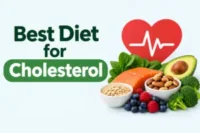
The best diet for cholesterol focuses on foods that support healthy LDL levels and heart health. It encourages balanced meals and a variety of nutrient-rich foods. It also emphasizes healthy eating habits that you can maintain over time.
These four diets can support cholesterol management:
- Portfolio Diet
- TLC Diet
- Plant-Based Diet
- DASH Diet
Find more information about each diet below.
1. Portfolio Diet
The Portfolio Diet combines several cholesterol-friendly foods into one eating pattern that can help reduce LDL cholesterol through different dietary components.
- Foods Included: Oats, barley, soy foods, lentils, nuts, and plant sterol-fortified yogurts or juices.
- Health Benefit: May help lower LDL cholesterol.
- Nutrition Fact: Provides soluble fiber, plant protein, plant sterols, and healthy fats.
- Quick Tip: Add one portfolio-friendly food to each meal.
2. TLC Diet
The Therapeutic Lifestyle Changes (TLC) Diet aims to lower LDL cholesterol by limiting foods that can raise it. It includes fiber-rich and nutrient-dense foods.
- Foods Included: Whole grains, lean poultry, fish, fruits, vegetables, low-fat dairy, and beans.
- Health Benefit: Helps manage LDL cholesterol.
- Nutrition Fact: Provides fiber, lean protein, vitamins, and minerals.
- Quick Tip: Check food labels and choose products with less saturated fat.
3. Plant-Based Diet
A Plant-Based Diet includes mostly foods from plants. You can also add small amounts of animal foods based on your dietary preferences.
- Foods Included: Vegetables, legumes, fruits, whole grains, tofu, fermented soybeans, and nuts.
- Health Benefit: Supports heart health.
- Nutrition Fact: Provides fiber, plant protein, antioxidants, vitamins, and minerals.
- Quick Tip: Read food labels when buying plant-based products.
4. DASH Diet
The Dietary Approaches to Stop Hypertension (DASH) Diet emphasizes balanced meals with a variety of nutrient-rich foods. It was designed to support healthy blood pressure.
- Foods Included: Whole grains, low-fat dairy, poultry, fish, and unsalted nuts.
- Health Benefit: Helps manage blood pressure.
- Nutrition Fact: Provides potassium, calcium, magnesium, fiber, and lean protein.
- Quick Tip: Use herbs, spices, lemon, or vinegar to add flavor while keeping salt intake lower.
How Does Diet Affect Cholesterol?
The body needs cholesterol for several important functions, but high LDL cholesterol can contribute to heart disease. The food we eat affects the types and amounts of fat and fiber we consume.
These dietary changes can support healthy cholesterol:
- Reduce Saturated Fat: Eating less saturated fat can help manage LDL cholesterol.
- Add Soluble Fiber: Get soluble fiber from oats, beans, apples, barley, and chia seeds to help lower cholesterol.
- Use Unsaturated Fats: Replace butter, fatty meat, and full-fat dairy with olive oil, nuts, seeds, and avocados.
- Include Plant Sterols: Nuts, seeds, whole grains, and vegetable oils contain plant sterols, which help reduce cholesterol absorption.
Best Foods to Eat for Healthy Cholesterol
A healthy cholesterol diet should include a variety of nutritious foods. Each food group provides different nutrients. These are some cholesterol-friendly foods:
- Oats: Provide soluble fiber that can support healthy LDL cholesterol levels.
- Beans and Lentils: Provide fiber and plant protein and are a good alternative to fatty meats.
- Fruits and Vegetables: Add fiber, vitamins, minerals, and other nutrients to your meals.
- Nuts and Seeds: Almonds, walnuts, chia seeds, and flaxseeds provide healthy fats and fiber.
- Fatty Fish: Salmon, sardines, and trout provide omega-3 fats and protein.
- Avocado: Provides fiber and unsaturated fats that can also support heart health.
- Healthy Oils: Olive and canola oils can replace butter and other fats that contain more saturated fat.
- Low-Fat Dairy: Yogurt and low-fat milk provide protein and calcium with less saturated fat.
- Lean Protein: Skinless poultry, fish, beans, and lentils are good protein sources.
Best Drinks and Snacks to Lower Cholesterol
Eating nutritious foods and drinking healthy beverages can support better cholesterol levels. Foods rich in fiber, plant-based nutrients, and healthy fats can add important nutrients to your daily diet.
Try these drinks and snack ideas.
Drinks
The right drinks add nutrients without adding excess saturated fat. So, consider these options:
- Water: 8 to 10 glasses a day
- Green tea: 1 to 2 cups a day
- Oat drink: 1 cup a day
- Unsweetened soy milk: 1 cup a day.
- Berry smoothie: 1 small glass a day
Snacks to Eat
Snacks can help you manage hunger while adding fiber, healthy fats, and other nutrients that may help maintain healthy cholesterol levels.
- Almonds: About 1 ounce, or 23 almonds
- Apple with peanut butter: 1 medium apple with 1 tablespoon of natural peanut butter
- Oatmeal with berries: ½ cup cooked oatmeal with ½ cup berries
- Air-popped popcorn: About 3 cups popped
- Carrot sticks with cottage cheese: 1 cup carrots with ¼ cup low-fat cottage cheese
Foods to Limit or Avoid With High Cholesterol
Some foods can make it harder to manage cholesterol when you eat them often. Eating these foods less often can help keep your cholesterol in a healthier range.
For healthy cholesterol, limit these foods:
- Fatty Meats: Limit fatty cuts of beef, pork, and other meats.
- Processed Meats: Eat less bacon, sausage, and other processed meats.
- Butter: Replace butter with healthier oils when cooking or topping.
- Full-Fat Dairy: Choose lower-fat dairy options more often.
- Fried Foods: Choose baked, grilled, roasted, or steamed foods instead of deep-fried options.
- Packaged Pastries: Limit cakes, cookies, and pastries.
- Foods With Trans Fat: Avoid products that list hydrogenated oils on the label.
- Sugary Beverages: Limit sodas and other drinks with added sugar.
7-Day Cholesterol-Friendly Meal Plan
Plan your meals to make cholesterol-friendly eating easier throughout the week. This 7-day plan includes simple meals. Use this menu as a starting point and adjust portions according to your personal needs.
Day 1
- Breakfast: Oatmeal with berries and ground flaxseed
- Lunch: Lentil soup with a whole-grain side
- Dinner: Grilled salmon with roasted vegetables and brown rice
- Snack: Apple with a small serving of almonds
Day 2
- Breakfast: Plain low-fat yogurt with oats and berries
- Lunch: Chickpea salad with cucumber, tomato, and whole-grain bread
- Dinner: Grilled chicken with broccoli and quinoa
- Snack: Pear with walnuts
Day 3
- Breakfast: Whole-grain toast with avocado and sliced tomato
- Lunch: Black bean bowl with brown rice and mixed vegetables
- Dinner: Baked trout with barley and steamed greens
- Snack: Carrot sticks with hummus
Day 4
- Breakfast: Oatmeal with banana and chia seeds
- Lunch: Lentil and vegetable wrap
- Dinner: Roasted chicken with sweet potato and green beans
- Snack: Plain yogurt with fresh fruit
Day 5
- Breakfast: Whole-grain toast with natural peanut butter and banana
- Lunch: Three-bean salad with mixed vegetables
- Dinner: Baked fish with barley and roasted vegetables
- Snack: A small handful of unsalted nuts
Day 6
- Breakfast: Oatmeal with apple slices and cinnamon
- Lunch: Vegetable and chickpea soup with whole-grain bread
- Dinner: Grilled chicken with brown rice and spinach
- Snack: Fresh fruit with plain yogurt
Day 7
- Breakfast: Oatmeal with pear, chia seeds, and walnuts
- Lunch: Lentil bowl with roasted vegetables and quinoa
- Dinner: Baked salmon with vegetables and brown rice
- Snack: Apple slices with a small amount of natural peanut butter
Disclaimer: This meal plan is for general guidance only. Consult a doctor or registered dietitian for personalized advice.
Food Swaps to Help Lower Cholesterol
You don’t need to change your entire diet to improve cholesterol levels. Replacing a few common foods with healthier options can support healthy cholesterol levels.
Start with these easy swaps:
| Instead of | Try |
| Butter | Olive or canola oil |
| Processed meat | Beans, lentils, or skinless chicken |
| Fatty meat | Fish or lean poultry |
| White rice or refined grains | Brown rice or whole grains |
| Full-fat dairy | Low-fat or fat-free dairy |
| Creamy dressing | Vinegar, herbs, and olive oil |
| Fried foods | Baked, grilled, or roasted foods |
| Sugary snacks or ice cream | Fresh or frozen fruit |
| Chips | Air-popped popcorn |
Lifestyle Changes That Help Lower Cholesterol
Diet affects cholesterol levels, but healthy habits are important too. Some lifestyle changes can support healthier cholesterol levels and heart health.
Here is what to do:
- Exercise Regularly: Activities such as walking, cycling, and swimming can support cardiovascular health.
- Manage Your Weight: If you have excess weight, gradual weight loss can improve several heart-related risk factors.
- Stop Smoking: Quitting smoking protects blood vessels and reduces cardiovascular risk.
- Sleep Well: Get good-quality sleep as part of a healthy lifestyle.
- Take Prescribed Medicine: Follow your healthcare professional’s instructions if they prescribe cholesterol medication.
- Get Regular Tests: Cholesterol testing helps track your cholesterol levels.
Final Takeaway
I’ve covered the best diet for cholesterol, ways to support healthier cholesterol levels through food and daily habits, what foods to include, what foods to limit, which diet plan may help, and how to make changes with a meal plan and food swaps.
A healthy cholesterol diet is not about following strict rules or avoiding every food you enjoy. It is about choosing balanced meals, eating a variety of nutritious foods, and making changes that you can follow long-term.
Get to the FAQs now.
Frequently Asked Questions
I have answered a few key questions about the best diet for cholesterol.
Getting enough soluble fiber can help lower LDL cholesterol. Aim to get about 10 to 25 grams of soluble fiber daily as part of a balanced diet. Increase fiber gradually and drink enough fluids to help prevent digestive discomfort.
If you have excess weight, losing a modest amount of weight may help improve cholesterol levels. Weight loss can also support other aspects of heart health. Focus on gradual, sustainable changes rather than quick weight-loss diets.
You can eat carbohydrates as part of a cholesterol-friendly diet. Choose mostly whole grains, beans, fruits, and vegetables instead of highly refined carbohydrate foods. The type and overall quality of carbohydrates matter more than avoiding them completely.
- LDL is called “bad” cholesterol because high levels can contribute to plaque buildup in the arteries.
- HDL is known as “good” cholesterol because it helps carry cholesterol back to the liver.
Both are measured in a cholesterol test to assess heart health.
A low-fat diet can help manage cholesterol, but you do not need to avoid fat completely. Replacing saturated fats with unsaturated fats can be a more useful approach for heart health. Focus on the type of fat you eat as well as the amount.
High cholesterol usually does not cause noticeable symptoms. Many people only find out they have high cholesterol after a blood test. Regular cholesterol screening can help identify high levels early.
A cholesterol test is a blood test that measures cholesterol levels. It checks total cholesterol, LDL cholesterol, HDL cholesterol, and triglycerides. A healthcare professional can explain what your cholesterol results mean.
Cholesterol levels can change as you get older. Your cholesterol profile is also influenced by genetics, diet, activity level, and overall health. Regular testing can help keep track of changes over time.
Intermittent fasting may help improve cholesterol and other health measures, especially when it supports healthy food and weight management. However, research results vary, and it is not suitable for everyone.
No, cholesterol and triglycerides are different types of blood lipids. LDL and HDL are types of cholesterol, while triglycerides are another type of fat found in the blood. A lipid panel usually measures both to help assess heart health.


- Be Respectful
- Stay Relevant
- Stay Positive
- True Feedback
- Encourage Discussion
- Avoid Spamming
- No Fake News
- Don't Copy-Paste
- No Personal Attacks
- Be Respectful
- Stay Relevant
- Stay Positive
- True Feedback
- Encourage Discussion
- Avoid Spamming
- No Fake News
- Don't Copy-Paste
- No Personal Attacks
