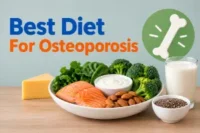
Best Diet for Osteoporosis: What to Eat & Limit for Stronger Bones
Published: 19 Oct 2026
Are you confused about what to eat for osteoporosis? Many people wonder whether they need more calcium, which foods provide the most nutrients, or whether certain drinks can affect their bones. With so much conflicting advice online, choosing the right foods can feel overwhelming.
In this blog, I’ll break down the basics about the best diet for osteoporosis, share foods that support bone health, explain what to limit, and provide a 7-day meal plan. You’ll also learn about supplements and everyday habits that can help you care for your bones.
Let’s make healthy eating simpler.
What Is the Best Diet for Osteoporosis?
The best diet for osteoporosis includes foods that strengthen bones and support good health. Many essential nutrients help maintain bone density. A balanced diet, regular exercise, and proper medical care all play an important role in managing osteoporosis.
Here are four dietary approaches that support bone health:
- Calcium-Rich Diet
- Vitamin D-Rich Diet
- High-Protein Diet
- Mediterranean Diet
Let’s explore each one in detail below.
1. Calcium-Rich Diet
A calcium-rich diet helps maintain bone density and supports bone structure. Good food sources include milk, yogurt, cheese, calcium-set tofu, and fortified plant-based milk.
Leafy greens such as kale and cabbage also add calcium to daily meals. Eating calcium-rich foods regularly helps meet the body’s needs as bones age.
Tip: Check food labels to see how much calcium each serving provides.
2. Vitamin D-Rich Diet
Vitamin D helps the body absorb calcium from food and use it effectively. Fatty fish such as salmon, sardines, and trout provide vitamin D, while egg yolks and fortified foods offer additional sources.
Sunlight helps the body produce vitamin D, but its production depends on skin tone, the season, and where we live. A healthcare professional can advise whether testing or supplements may be needed.
Tip: Avoid taking high-dose vitamin D supplements without medical advice.
3. High-Protein Diet
Protein supports the muscles that help with balance, movement, and physical strength. Eggs, fish, poultry, beans, lentils, and dairy products are useful sources to include in meals.
Getting enough protein also helps maintain muscle mass, which becomes increasingly important with age. Pairing a balanced protein intake with strength-building exercise can support healthy bones.
Tip: Combine adequate protein intake with strength exercises to help maintain muscle mass.
4. Mediterranean Diet
The Mediterranean diet emphasizes vegetables, fruits, olive oil, fish, and whole grains. This varied eating pattern provides nutrients that contribute to strong bones.
It also includes fresh foods and limits sugary snacks and fatty foods. People following this diet should also eat other foods that are rich in calcium, vitamin D, and protein.
Tip: Keep meals varied throughout the week to avoid relying on the same foods every day.
How Diet Affects Bone Health
Eating habits can influence bone health at every stage of life. Poor nutrition over time may increase the risk of osteoporosis, especially as people grow older.
Here’s how diet affects the bones:
- Supports Bone Growth: Good nutrition helps children and young adults build strong bones and maximize bone strength.
- Slows Bone Loss: Healthy eating habits help older adults maintain bone strength as natural bone loss occurs with age.
- Improves Nutrient Absorption: A balanced diet helps the body absorb and use nutrients needed for normal bone function.
- Maintains Muscle Function: Good nutrition helps maintain the muscles needed for movement.
- Affects Fracture Risk: Poor nutrition can weaken bones, making them more prone to fracture.
Best Foods for Osteoporosis
The right foods can help support bone strength and maintain bone health. Eating a variety of these foods can help meet daily nutritional needs and support osteoporosis management.
These are the best foods to include in a bone-friendly diet, along with suggested serving sizes.
- Milk: 1 cup (240 ml) contains about 300 mg of calcium.
- Yogurt: 6 oz (about 170 g) offers around 300 mg of calcium.
- Cheese: 1 oz (28 g) supplies about 200 mg of calcium.
- Fortified Oat Milk: 1 cup (240 ml) may contain around 300 mg of calcium. Amounts vary by brand.
- Cooked Kale: 1 cup contains about 179 mg of calcium.
- Salmon: A 3 oz (85 g) serving offers protein and vitamin D.
- Eggs: One large egg supplies protein and a small amount of vitamin D.
- Fortified Soy Milk: 1 cup (240 ml) may contain around 300 mg of calcium.
- Beans and Lentils: A ½-cup cooked serving supplies plant-based protein and other nutrients.
- Chia Seeds: 1 tablespoon contains about 75 mg of calcium.
- Almonds: 1 oz (28 g), or about 23 almonds, offers around 75 mg of calcium.
- White Beans: A ½-cup cooked serving contains about 80 mg of calcium.
- Broccoli: 1 cup cooked supplies about 60 mg of calcium, along with vitamin C.
Note: Nutrient amounts can vary by product and preparation method. Check food labels for exact values.
Best Fruits for Osteoporosis
Fruits contain vitamins, minerals, and antioxidants that benefit bone health. Some fruits also provide nutrients that help your body use calcium. No single fruit can cure osteoporosis; eating a variety of fruits can help you maintain a balanced diet.
These are some fruit options.
- Oranges: 1 medium-sized
- Kiwi: 2 medium-sized
- Prunes: 4 to 5 pieces
- Strawberries: 1 cup
- Bananas: 1 medium
- Papaya: 1 cup, cubed
- Pineapple: 1 cup of chunks
- Figs: 2 medium fresh figs or 3 to 4 dried ones
Healthy Tip: Eat a variety of fruits throughout the week. Pair them with calcium-rich foods, such as yogurt or fortified milk alternatives.
Foods and Drinks to Limit With Osteoporosis
Certain foods and drinks may affect bone health when consumed in excess. Limiting these items can help support bone strength and maintain a balanced diet.
| Foods to Limit |
|---|
|
Some foods contain high amounts of sodium, added sugar, or unhealthy fats. Eating them too often may reduce the intake of nutrient-rich foods that support bone health. Aim to limit these foods:
|
| Drinks to Limit |
|---|
|
Some beverages may affect calcium balance or make it harder to meet daily nutritional needs. Consider limiting the following drinks:
|
A 7-Day Meal Plan for Osteoporosis
An osteoporosis diet plan focuses on nutrient-rich foods that help support strong bones. This 7-day plan offers balanced meal ideas with calcium, vitamin D, and protein.
Day 1 (Monday)
- Breakfast: Oatmeal made with milk, topped with chia seeds and sliced banana.
- Lunch: Grilled chicken with brown rice and steamed broccoli.
- Dinner: Baked salmon with roasted sweet potatoes and cooked kale.
- Snacks: Plain yogurt and a handful of almonds.
Day 2 (Tuesday)
- Breakfast: Scrambled eggs on whole-grain toast with a glass of fortified soy milk.
- Lunch: Lentil soup with whole-grain bread and a side salad.
- Dinner: Baked chicken with quinoa and steamed green beans.
- Snacks: Orange slices and a small handful of walnuts.
Day 3 (Wednesday)
- Breakfast: Greek yogurt with berries and pumpkin seeds.
- Lunch: Chickpea and vegetable salad with whole-grain pita bread.
- Dinner: Grilled sardines with edible bones, brown rice, and roasted vegetables.
- Snacks: Cheese with whole-grain crackers and a glass of milk.
Day 4 (Thursday)
- Breakfast: Whole-grain cereal with calcium-fortified oat milk and sliced strawberries.
- Lunch: Tofu and vegetable stir-fry served with brown rice.
- Dinner: Baked trout with mashed sweet potatoes and sautéed spinach.
- Snacks: A banana and a handful of almonds.
Day 5 (Friday)
- Breakfast: Vegetable omelet with whole-grain toast and a glass of milk.
- Lunch: White bean soup with whole-grain bread and steamed broccoli.
- Dinner: Grilled chicken with quinoa and roasted carrots.
- Snacks: Plain yogurt with chia seeds and fresh fruit.
Day 6 (Saturday)
- Breakfast: Overnight oats made with fortified soy milk, topped with walnuts and berries.
- Lunch: Tuna and white bean salad with whole-grain bread.
- Dinner: Lean beef with baked potatoes and steamed collard greens.
- Snacks: Cheese cubes and an orange.
Day 7 (Sunday)
- Breakfast: Whole-grain pancakes served with yogurt and fresh berries.
- Lunch: Lentil and vegetable curry with brown rice.
- Dinner: Baked salmon with quinoa and roasted Brussels sprouts.
- Snacks: Fortified milk or soy milk and a handful of pumpkin seeds.
Disclaimer: This meal plan is for general information and is not a replacement for personalized medical or dietary advice. Consult a registered dietitian to develop a diet plan for your health needs.
Best Diet for Osteoporosis in Women Over 50
Women over 50 may experience faster bone loss after menopause because estrogen levels decline. A balanced diet can help meet nutritional needs and support bone health during this stage of life.
- Avoid Crash Diets: Very low-calorie diets can cause nutrient deficiencies. Aim for regular, balanced meals that provide enough energy.
- Maintain a Healthy Weight: Being underweight can increase fracture risk.
- Support Muscle Strength: Include regular strength and weight-bearing activities, such as walking and resistance exercises, as appropriate.
- Get Enough Nutrients: Calcium and vitamin D help maintain strong bones. A doctor can recommend supplements if needed.
- Review Personal Risk Factors: Previous fractures, a family history of hip fractures, certain medications, and medical conditions can affect bone health.
Note: A bone-friendly diet is an important part of care, but diet alone may not prevent fractures in women with osteoporosis. Medical assessment can help determine whether additional treatment is needed.
Supplements for Osteoporosis
Supplements can help support bone health when the body does not get enough calcium or vitamin D from food. Several types are available:
- Calcium Carbonate: This supplement provides calcium to help maintain bone strength. It is usually taken with food.
- Calcium Citrate: This form of calcium can be taken with or without food. It may suit people who have lower stomach acid or take acid-reducing medicines.
- Vitamin D3: Also called cholecalciferol, this supplement helps the body absorb calcium and supports bone health.
- Calcium and Vitamin D Combination: Some supplements contain both nutrients in one product. They may help people who need additional calcium and vitamin D.
Important: Supplements alone do not cure osteoporosis or replace prescribed treatment. Taking excessive amounts can cause health problems. A healthcare professional can recommend the right type and dose.
Lifestyle Habits That Support Bone Health
Daily habits can help protect bone health. Along with proper nutrition and medical care, simple lifestyle changes can support stronger bones.
- Avoid Smoking: Smoking can weaken bones and increase fracture risk.
- Avoid Long Periods of Sitting: Move regularly to maintain mobility and reduce inactivity.
- Practice Good Posture: Keep the back straight while sitting, standing, and lifting objects to reduce stress on the spine.
- Stay Physically Active: Regular movement helps maintain mobility, strength, and physical fitness.
- Get Restful Sleep: Follow a regular sleep schedule to support daily energy and overall health.
Common Osteoporosis Diet Myths
Many people believe certain foods and eating habits can prevent or cure osteoporosis. However, some of these beliefs are misleading.
Let’s explore the myths and learn what the facts say.
Myth No. 1: Drinking milk alone prevents osteoporosis.
Fact: Milk provides calcium, but bone health also depends on vitamin D, protein, physical activity, and other factors. A balanced diet and proper medical care are important.
Myth No. 2: Osteoporosis only affects older women.
Fact: Osteoporosis can affect men and women at different ages. However, the risk increases with age, especially after menopause in women.
Myth No. 3: Calcium supplements can cure osteoporosis.
Fact: Calcium supplements can help meet daily calcium needs, but they cannot cure osteoporosis on their own. Some people also need prescribed medication and other treatments.
Myth No. 4: Avoiding all dairy products weakens bones.
Fact: People can get calcium from other sources, including calcium-fortified plant milk and certain leafy greens. A well-planned diet can support bone health without dairy.
Myth No. 5: Getting more calcium always builds stronger bones.
Fact: The body needs an adequate amount of calcium. Excessive calcium intake from food and supplements may cause health problems, so meeting recommended daily needs is best.
Myth No. 6: Diet alone can prevent all osteoporosis-related fractures.
Fact: A nutritious diet supports bone health, but it cannot prevent all fractures. Exercise, medical check-ups, and prescribed treatment are important.
Conclusion
This guide explained the best diet for osteoporosis, foods and drinks to avoid overeating, best fruit options, common diet myths, and helpful tips for women over 50.
Keep in mind: A balanced diet can help maintain bone health, but it cannot cure osteoporosis or replace medical treatment. Focus on nutritious meals, stay physically active, and follow a healthcare professional’s advice to manage the condition.
Small, consistent steps can help build healthier habits and support long-term bone health.
Have more questions? See the FAQs below!
FAQs
I’ve gathered quick answers to commonly asked questions about the best osteoporosis diet.
During fracture recovery, the body needs adequate energy, protein, and essential nutrients to support tissue repair and bone healing. Include protein-rich foods, vegetables, fruits, and calcium- and vitamin D-rich foods.
Osteoporosis-related bone loss may improve in some cases, but natural methods cannot guarantee that bones will return to normal. Healthy habits can increase bone strength and help protect against further bone loss.
Osteoporosis itself often causes no symptoms until a fracture occurs. A spinal compression fracture may cause sudden back pain or a change in posture. Seek medical help for sudden or severe back pain, especially if you have osteoporosis.
Osteoporosis can cause a loss of height when weakened spinal bones develop fractures. These fractures may happen with little pain or after movement. Over time, multiple spinal fractures can lead to persistent back pain.
A bone density scan measures bone strength and helps detect osteoporosis. Screening is often advised for women aged 65 and older, men aged 70 and older under some guidelines, and younger people with specific risk factors.
- Osteopenia means bone density is lower than normal but not as low as in osteoporosis.
- Osteoporosis involves more significant bone loss and a greater risk of fractures.
- A T-score of −1.0 or above is generally considered normal bone density in women and men aged 50 or older.
- A score between −1.0 and −2.5 indicates osteopenia.
- A score of −2.5 or below indicates osteoporosis.
Yes, osteoporosis is often called a silent disease because bone loss usually happens without noticeable symptoms. Many people discover they have it after a bone density test or a fracture. Screening can help identify the condition before a fracture occurs.
Untreated osteoporosis can lead to progressive bone loss and a higher risk of fractures. Fractures, particularly in the hip or spine, may cause pain, reduced mobility, and loss of independence. Early diagnosis and appropriate treatment can help reduce these risks.
Yes, men can develop osteoporosis, although the condition is often associated with women after menopause. Aging, low testosterone, certain medical conditions, and some medications can increase the risk.



- Be Respectful
- Stay Relevant
- Stay Positive
- True Feedback
- Encourage Discussion
- Avoid Spamming
- No Fake News
- Don't Copy-Paste
- No Personal Attacks
- Be Respectful
- Stay Relevant
- Stay Positive
- True Feedback
- Encourage Discussion
- Avoid Spamming
- No Fake News
- Don't Copy-Paste
- No Personal Attacks
